



Changing Faces, Changing Lives

Management of Wide Cleft Palate: A Systematic Review of Surgical and Multidisciplinary Approaches

Project Title

Management of Wide Cleft Palate: A Systematic Review of Surgical and Multidisciplinary Approaches

Research Location

University of Bristol and Oxford University Hospitals NHS Trust, United Kingdom

Research Team

Mr Marc Swan
Ms Nitisha Narayan
UK Cleft Collective
University of Bristol Research Team

Project Duration

1 year

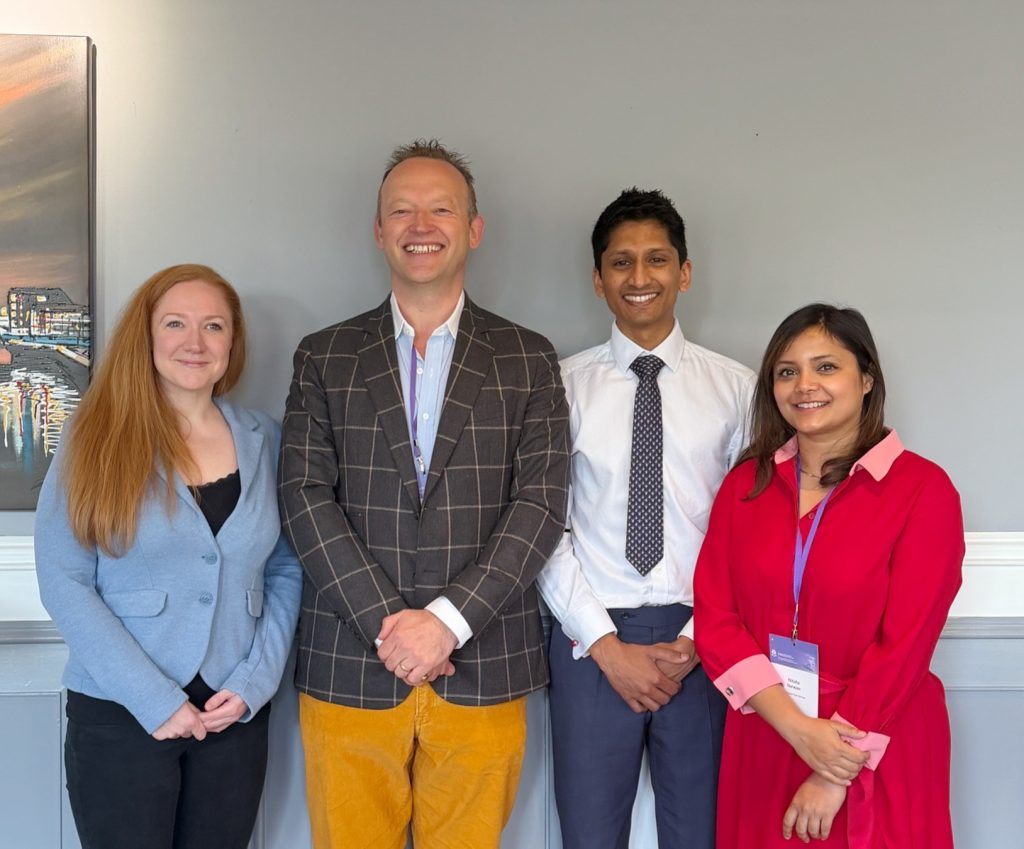
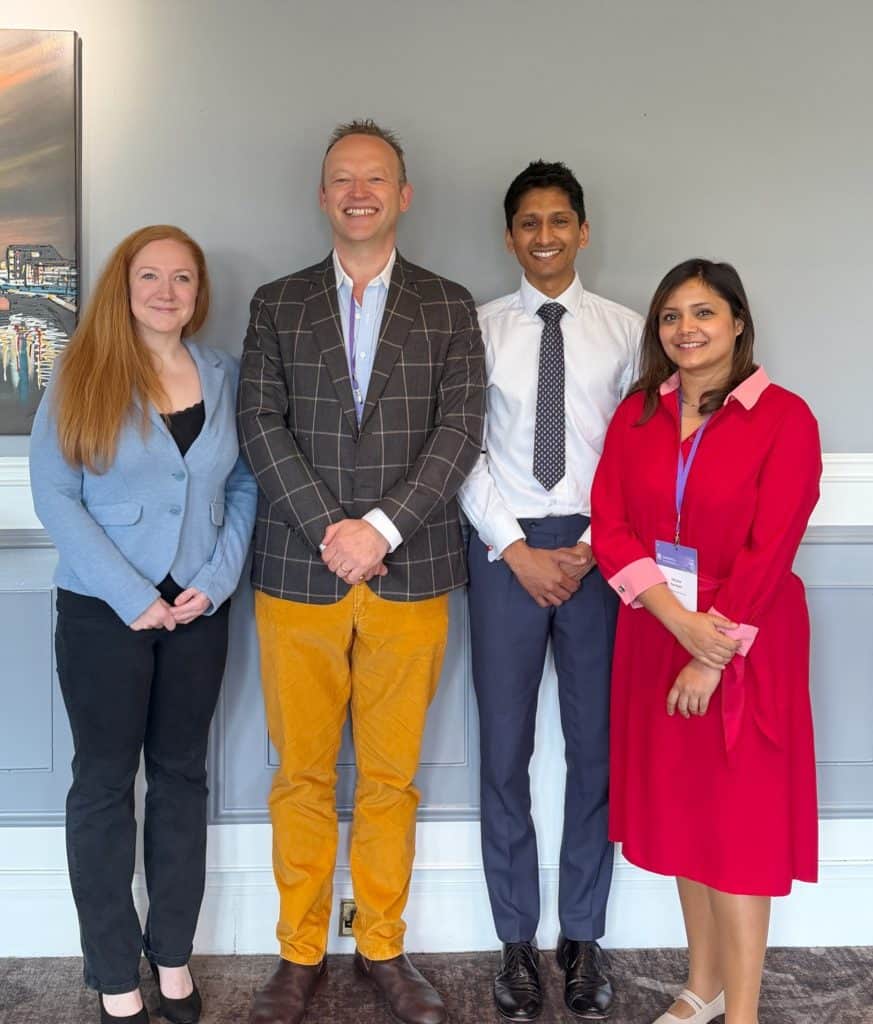
A group of four diverse professionals smiling at a conference or seminar, standing in front of a gre.

At a glance

Wide cleft palates can be especially difficult to repair and may require multiple surgeries throughout childhood. This research aims to better understand which surgical approaches lead to the best outcomes for children and families.

Summary

Children born with a cleft palate often undergo surgery early in life to improve feeding, speech and development. However, when a cleft palate is particularly wide, surgery becomes far more complex and outcomes can vary significantly.

Currently, there is no universally accepted definition of a “wide” cleft palate, and surgeons around the world use different methods to measure and treat these cases. This lack of consistency makes it difficult to compare outcomes and determine which techniques work best.

This project will review international research and current surgical practices to better understand:

  • How wide cleft palates are measured
  • The different surgical techniques currently used
  • Outcomes relating to speech, healing and additional surgeries
  • Which approaches may provide the best long-term results for children

Researchers will also work directly with cleft surgeons across the United Kingdom to better understand current practice and variation in care.

Anticipated Outcomes

This research aims to improve understanding of the best ways to manage wide cleft palates and help guide future standards of care internationally.

The project hopes to:

  • Improve surgical planning and consistency of care
  • Reduce the number of additional surgeries children may require
  • Improve speech and functional outcomes
  • Support better long-term quality of life for children born with cleft palate
  • Identify gaps in current research to guide future studies
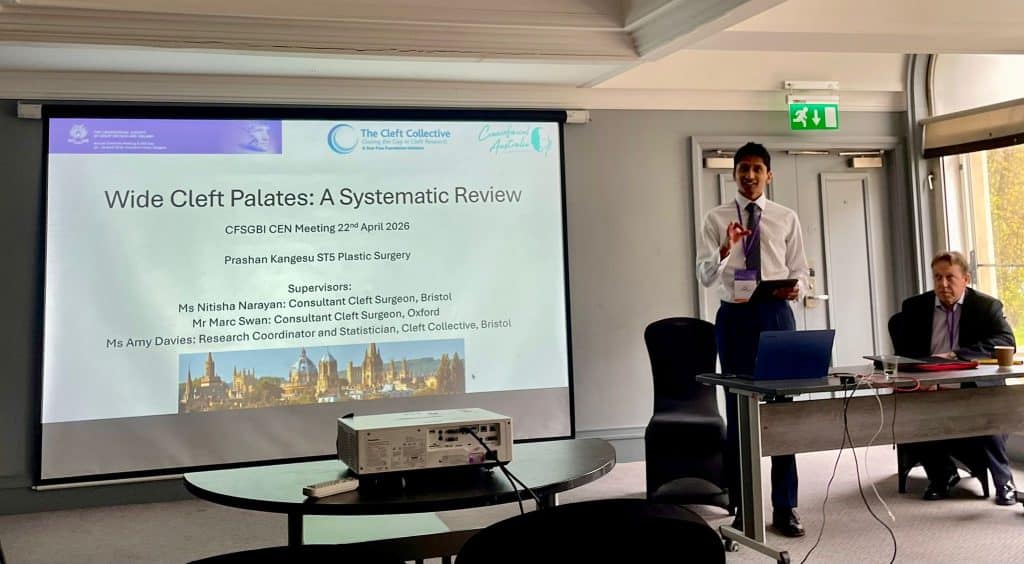
Wide Cleft Palates presentation at Craniofacial Australia conference in Brisbane.

Your support empowers us to fuel life changing research

current research

research in progress

One of the main goals of Craniofacial Australia is to drive discoveries for a better future. We are at the forefront of craniofacial research thanks to funding the brightest minds in Australia and beyond. Here is a round up of our current research.
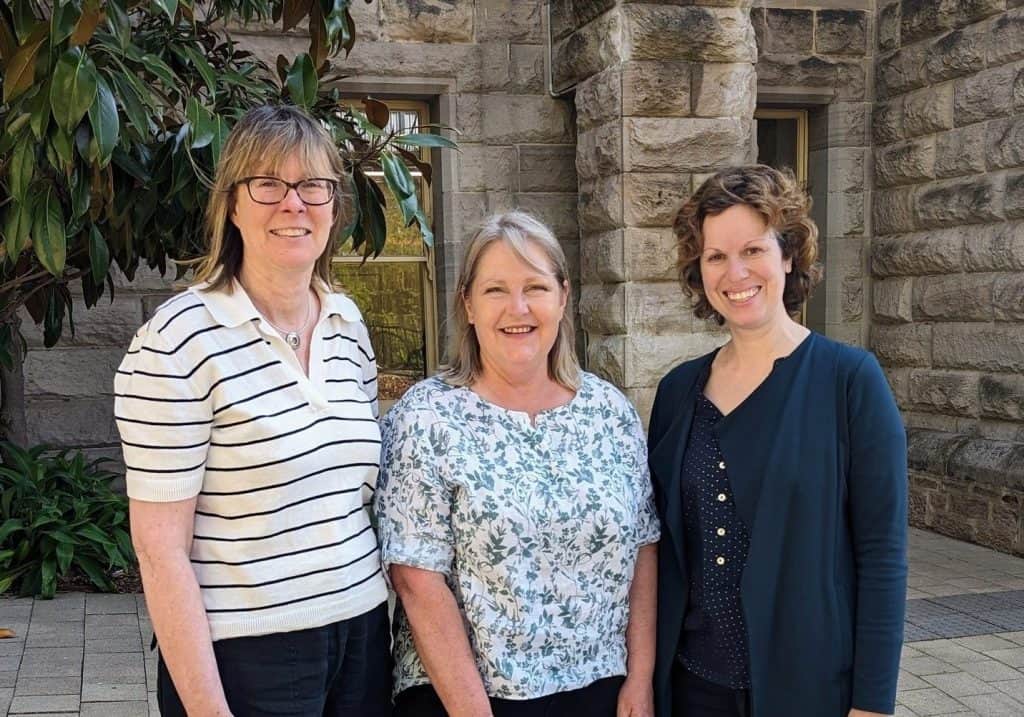
Craniofacial researchers at Adelaide University

the university of adelaide

Psychosocial support needs for families living with craniofacial conditions

Prof Rachel Roberts
Dr Amanda Osborn
Assoc Prof Diana Dorstyn

Craniofacial researcher Stan Gronthos

la trobe university

Understanding genetic pathways that regulate palate closure

Assoc Prof Seb Dworkin

A group of four diverse professionals smiling at a conference or seminar, standing in front of a gre.

University of Bristol and Oxford University Hospitals NHS Trust, UK

Management of Wide Cleft Palate: A Systematic Review of Surgical and Multidisciplinary Approaches

Mr Marc Swan Ms Nitisha Narayan UK Cleft Collective University of Bristol Research Team

Scroll to Top