



Changing Faces, Changing Lives

More than a diagnosis: voices of those living with craniofacial conditions

Project TItle

More than a diagnosis: voices of those living with craniofacial conditions

Researchers

Prof Rachel Roberts

Dr Amanda Osborn

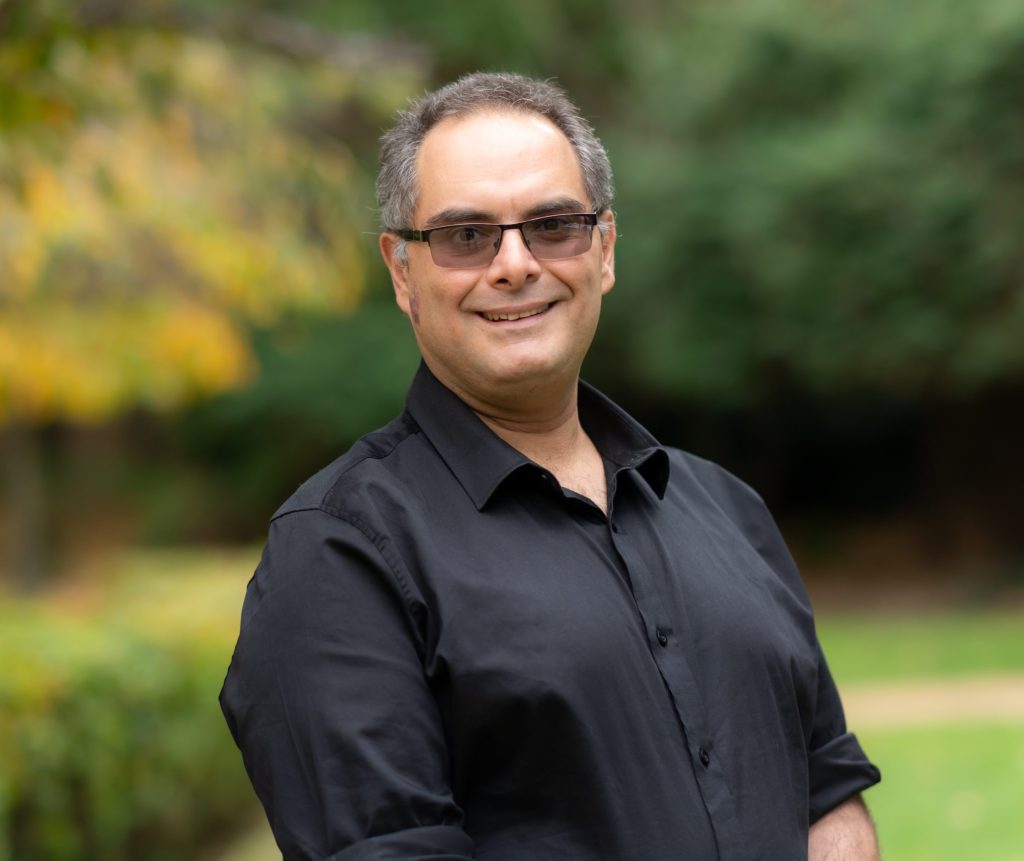
Assoc Prof Diana Dorstyn

Location

Adelaide University

At a Glance

People living with craniofacial conditions often face challenges that go far beyond medical treatment. While research has captured the experiences of parents, very little is known about what life is like from the perspective of those who live with these conditions themselves.

This project will be the first in Australia to gather and share those voices, helping us better understand their needs, challenges, and strengths. 

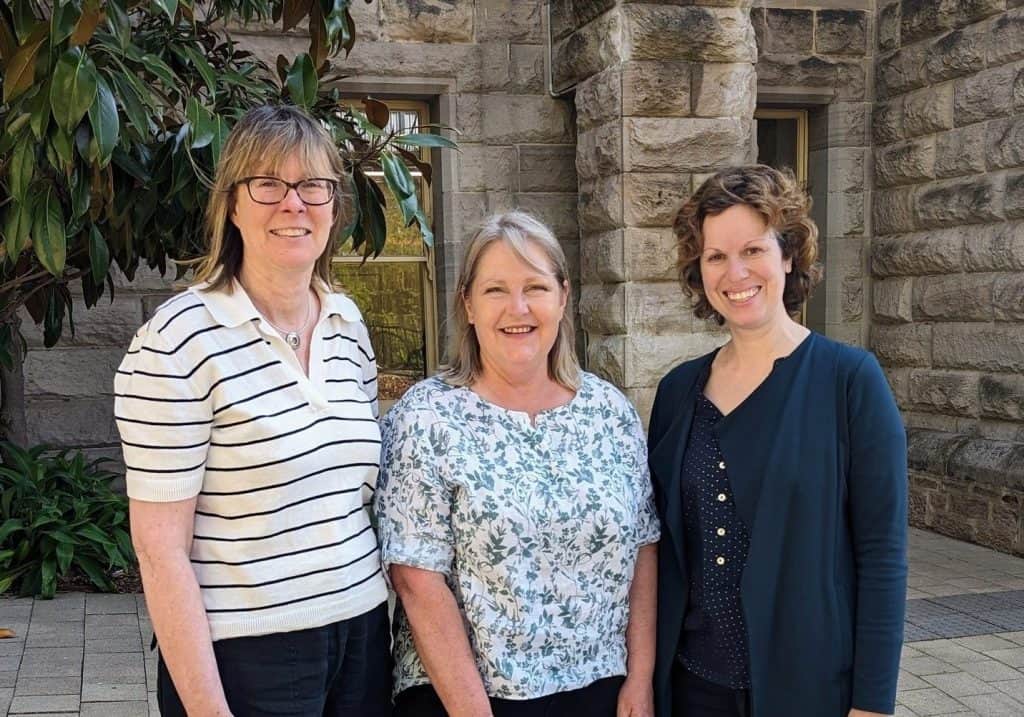
Craniofacial Australia team members standing outdoors in front of historic stone building.

Summary

This research will listen directly to children (aged 8 and above), teenagers, and adults with congenital craniofacial conditions (excluding isolated clefts). Through one-on-one, in-depth interviews, participants will share their personal experiences of school, friendships, healthcare, growing up, and navigating the world around them.

Up to 30 participants across Australia will be interviewed. Their stories will shed light on important issues such as stigma, identity, emotional wellbeing, and access to support.

By focusing on the voices of individuals themselves, rather than only their parents, this project will uncover new insights into how craniofacial conditions affect everyday life, from childhood through to adulthood.

Impact on the Future

The findings of this project will:

  • Highlight the social and emotional challenges people face across different life stages
  • Identify gaps in existing care and support services
  • Guide the development of new resources tailored to the real needs of individuals and families
  • Contribute to more inclusive healthcare practices in Australia

By amplifying these voices, we aim to create a future where people with craniofacial conditions are better supported not only in hospital, but at school, in the community, and throughout their lives.

This project builds on previous research funded by Craniofacial Australia and strongly reflects our mission: to enhance lives through research-led, patient-centred approaches.

Anyone 8 years + with a craniofacial condition (excluding isolated Clefts). For children under 16, parents must also provide consent but your child’s own voice and wishes will guide their participation. 

To learn more or take part:

Email: amanda.osborn@adelaide.edu.au
Phone / Text: 0439 854 092


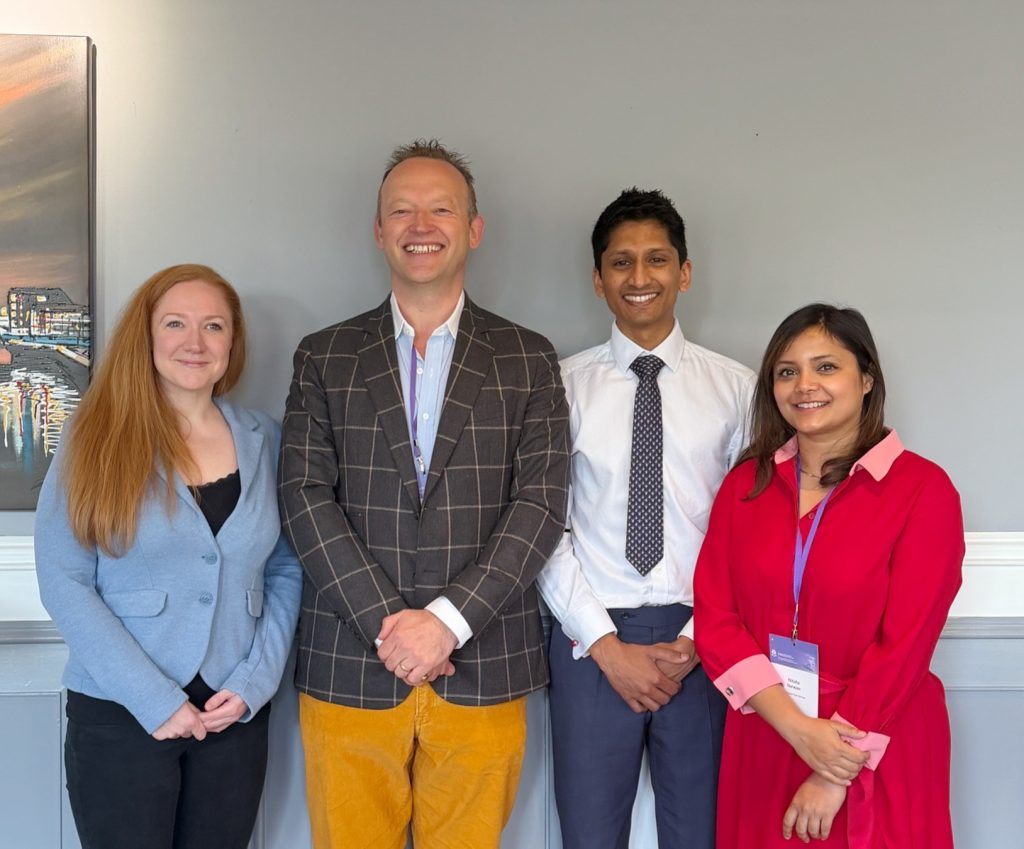
Craniofacial Australia Board and Staff team photo at a professional meeting.
Dedicated craniofacial board and staff team collaborating for patient care and innovation.

Your support fuels life changing research

Craniofacial Australia team providing specialist craniofacial care and treatment.

current research

research in progress

One of the main goals of Craniofacial Australia is to drive discoveries for a better future. We are at the forefront of craniofacial research thanks to funding the brightest minds in Australia and beyond. Here is a round up of our current researchers.

Experienced craniofacial researchers collaborating outdoors at Craniofacial Australia.

adelaide university

Psychosocial support needs for families living with craniofacial conditions

Prof Rachel Roberts
Dr Amanda Osborn
Prof Diana Dorstyn

Microscope and researcher in a laboratory setting at Craniofacial Australia.

university of south australia

Understanding genetic pathways that regulate palate closure

Assoc Prof Quenten Schwarz

Scientist in laboratory conducting research on craniofacial conditions in Australia.

la trobe university

Exploring aberrant chondroctyte death as a new origin of craniofacial defects

Assoc Prof Seb Dworkin

Scroll to Top