Changing Faces, Changing Lives

Hiba’s Story

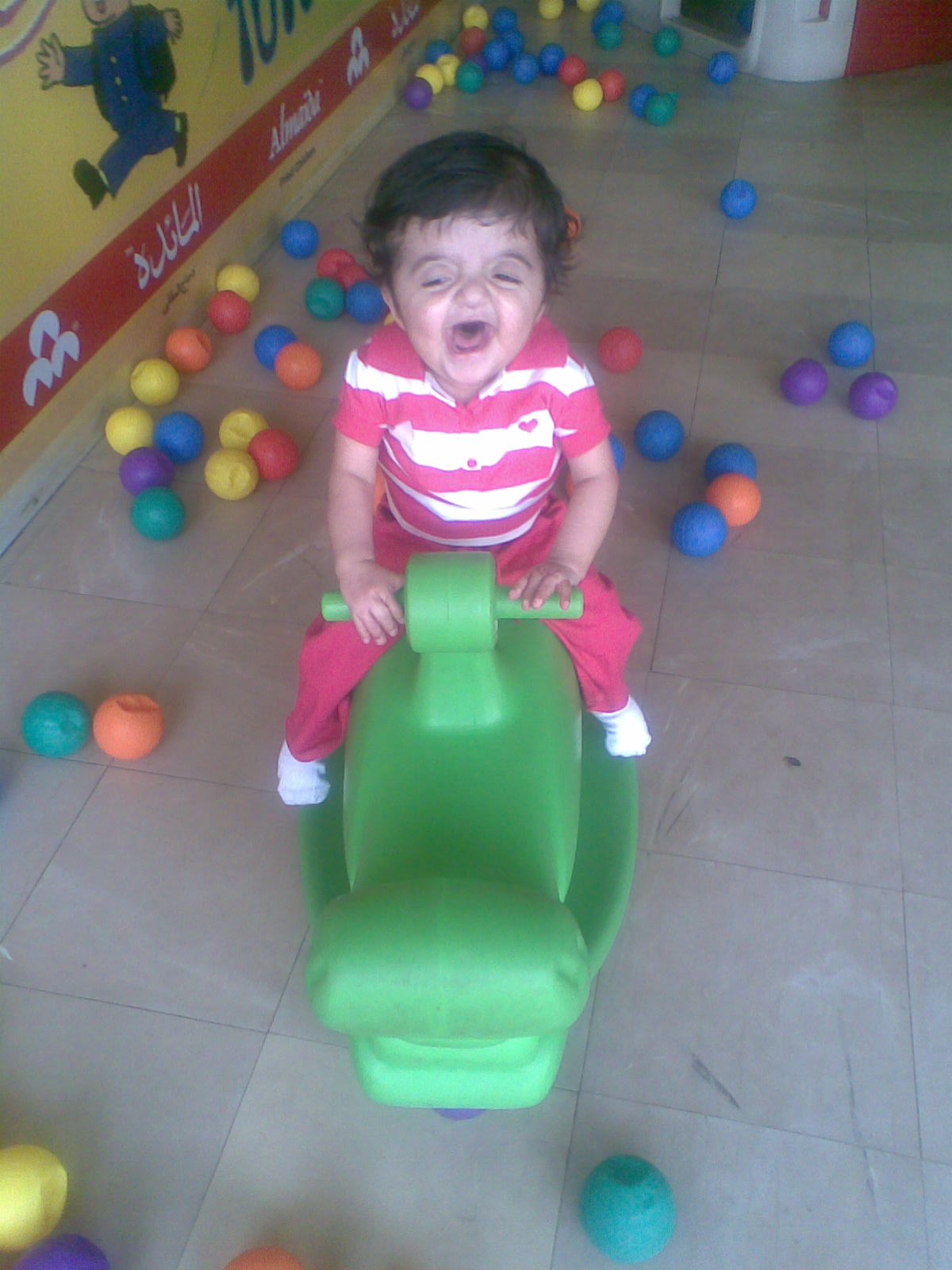
When Hiba was born in Lahore, Pakistan, her family had never heard of Apert syndrome. No one in their family knew what it was, and at the hospital, there were few answers about what the diagnosis would mean for her future.
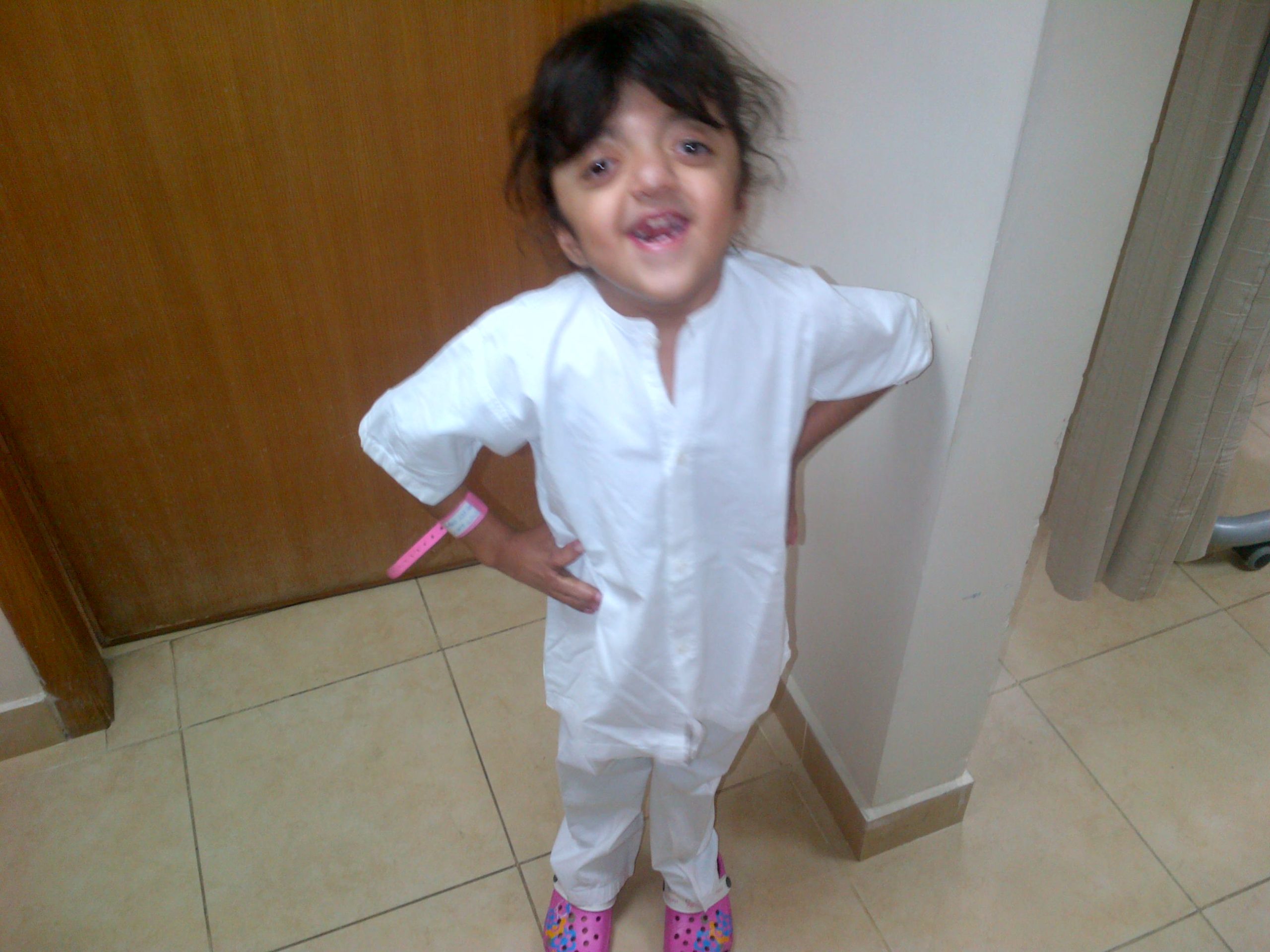
Despite the uncertainty, Hiba’s parents saw their daughter as a gift. They were determined to do everything they could to support her and ensure she had every opportunity to thrive. As a baby, Hiba’s most immediate challenges were the fused fingers and toes caused by Apert syndrome. Fortunately, her family found a skilled plastic surgeon in Lahore who began separating her fingers and toes when she was just six months old. Over the following two years, she underwent several operations until all her fingers and toes had been successfully separated.
When Hiba was around eight years old, she began experiencing severe headaches and problems with her eyesight. Her family did not know what was causing the symptoms. At the time, there was no specialised craniofacial centre in Pakistan, and despite consulting several neurosurgeons, they struggled to find answers.

It was an ophthalmologist who finally identified the underlying issue. After examining Hiba, he explained that her brain was growing but there was not enough room for it within her skull. A CT scan confirmed his concerns.
For Hiba’s father, Hamza, this marked the beginning of a determined search for specialist care.
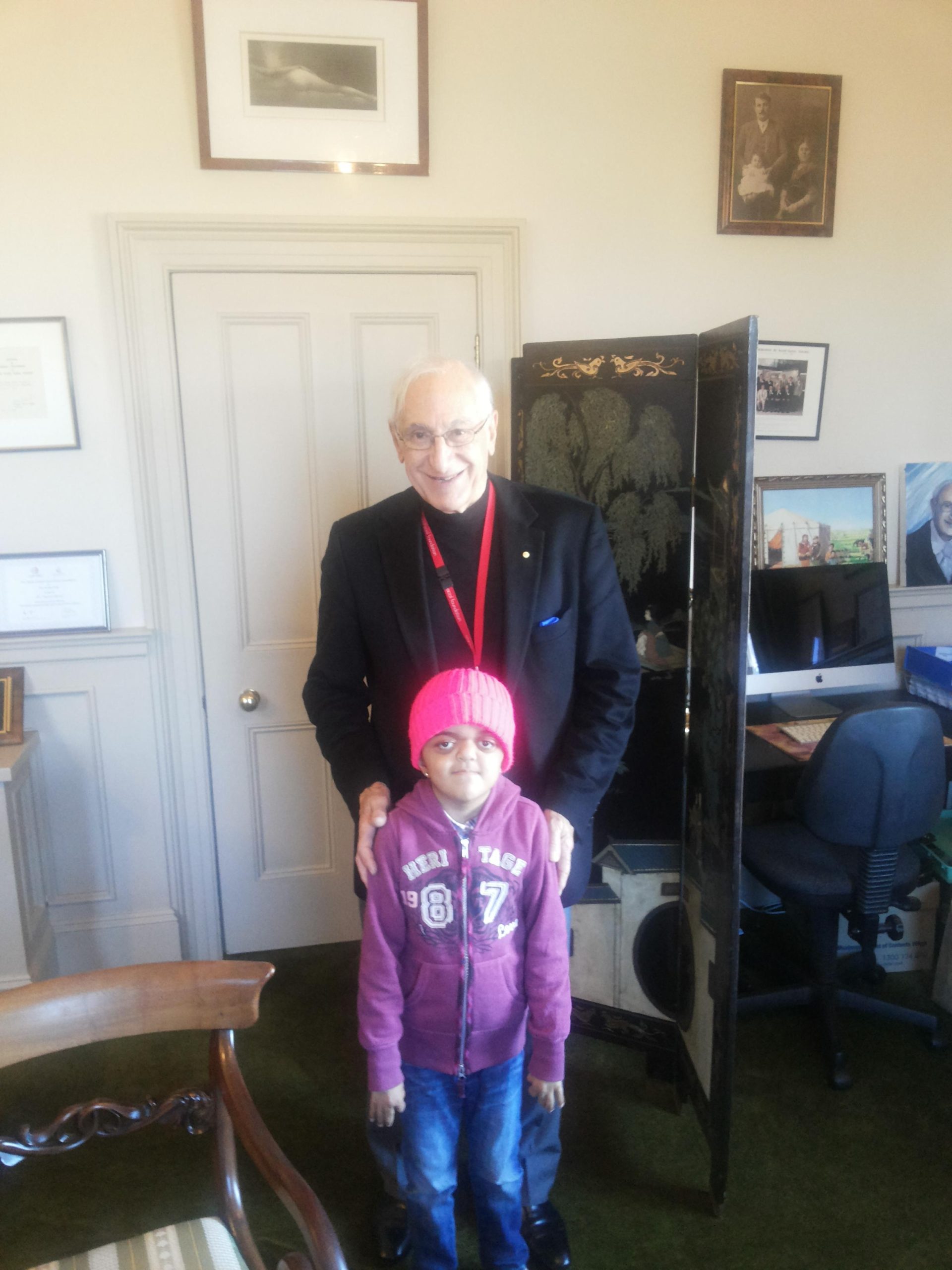
While researching treatment options online, Hamza discovered Professor David David. He quickly learned that Professor David was not only one of Australia’s leading craniofacial surgeons but was internationally recognised for his expertise in treating complex craniofacial conditions.

The family contacted Professor David in 2014, when Hiba was nine years old.
Prior to finding him, they had met with several neurosurgeons in Pakistan who were willing to perform surgery. However, Hamza’s research led him to understand that Hiba’s condition required the care of a highly specialised craniofacial team rather than a standard neurosurgical approach.
The family was frightened and uncertain. Hiba was living with constant pain, and they desperately wanted to ensure she received the right treatment.
Finding Professor David changed everything.
He guided the family through every step of the process, arranged for Hiba to receive treatment in South Australia, and helped organise the care she needed. At the time, the
family’s financial circumstances allowed them to make the journey to Australia for Hiba’s surgery.
Professor David also explained that Hiba would likely require another major procedure approximately ten years later, a midface advancement surgery.
In the years that followed, the family’s circumstances changed significantly. Like many families, they faced challenges after the COVID-19 pandemic, and returning to Australia for Hiba’s next surgery seemed financially out of reach.
When it became clear that Hiba needed further treatment, Hamza once again reached out to Professor David. This time, Craniofacial Australia stepped in to help.
Without that support, the family believes Hiba would not have been able to access the surgery she needed.
Hamza remains deeply grateful to Craniofacial Australia and the donors whose generosity helped make Hiba’s treatment possible. For the family, the support represented far more than financial assistance, it provided hope and access to life-changing care.
Living in Pakistan, the family also became acutely aware of how few resources and support networks exist for people with craniofacial conditions. When Hiba was born in 2006, there was very little awareness of Apert syndrome, and finding information or connecting with other families proved incredibly difficult.

Over the years, Hamza has made it his mission to support other parents facing similar challenges. Whenever he meets families of children with Apert syndrome, he shares everything he has learned, from navigating treatment options to finding specialist care, so that others do not feel as isolated as his family once did..
Today, Hiba is a determined and ambitious young woman. Just before travelling to Australia for her recent surgery, she completed her high school examinations, a milestone that reflected both her resilience and her family’s commitment to education.
Now, she hopes to study computer science at university and build an independent future for herself.
Like all parents, Hamza wants his daughter to have every opportunity to succeed. His greatest wish is for Hiba to live independently, pursue her dreams, and have the same opportunities as any other young person.
Thanks to specialist care, the support of Craniofacial Australia, and the generosity of donors, Hiba is one step closer to achieving that future.

Share

Hiba’s Story

Facebook
Email

Every story matters - including yours

Every craniofacial journey is unique – filled with challenges, triumphs and everything in between. Every face has a story to tell. By volunteering to tell yours, you’ll not only honour your own experience, but also give hope and encouragement to others walking a similar path. Whether you’re a parent, sibling or supporter, we’d like to hear from you. As a story volunteer, we will  make sure that your story is told in a way that suits you.

Scroll to Top