Changing Faces, Changing Lives
Hazel’s Story
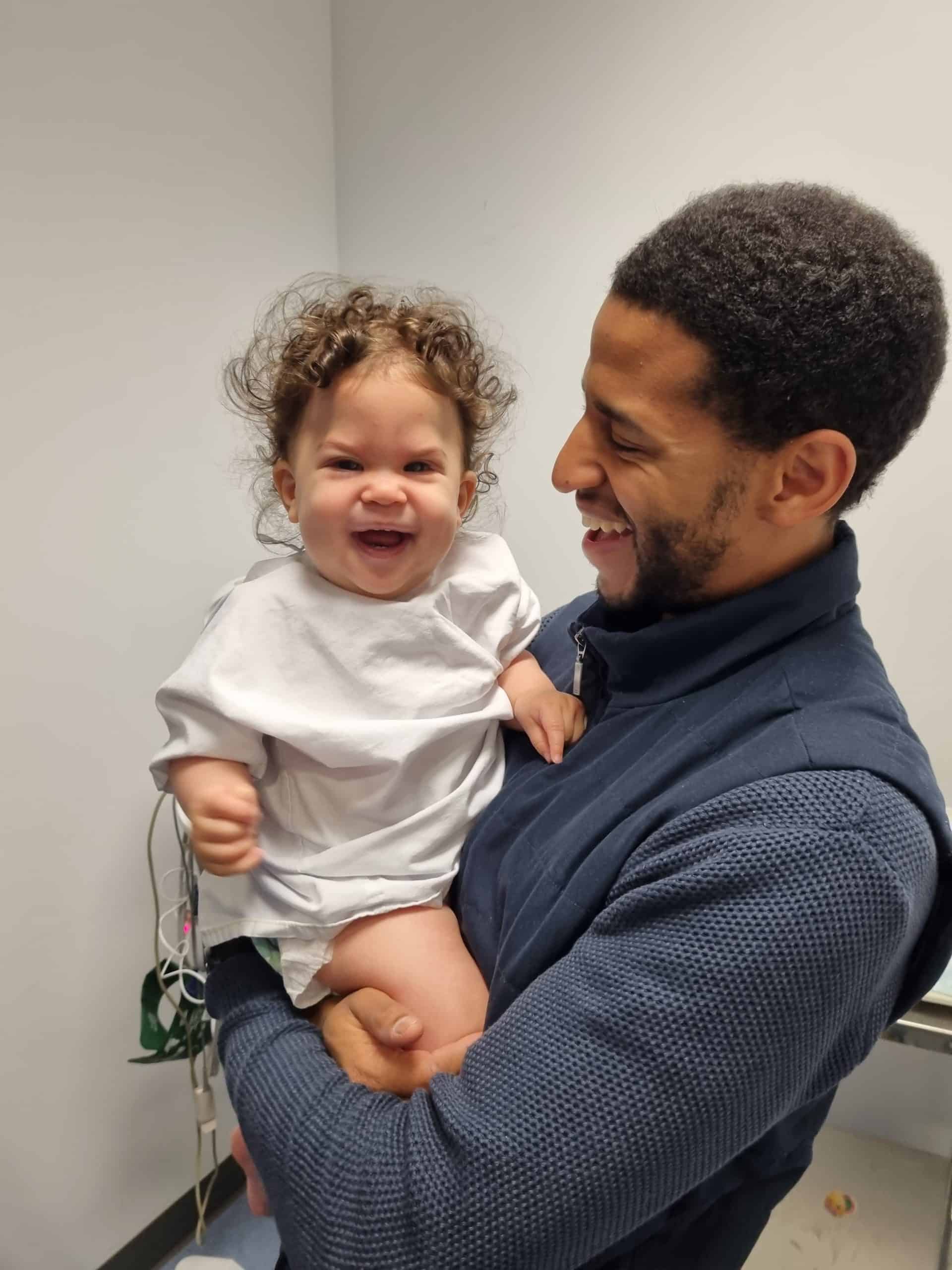
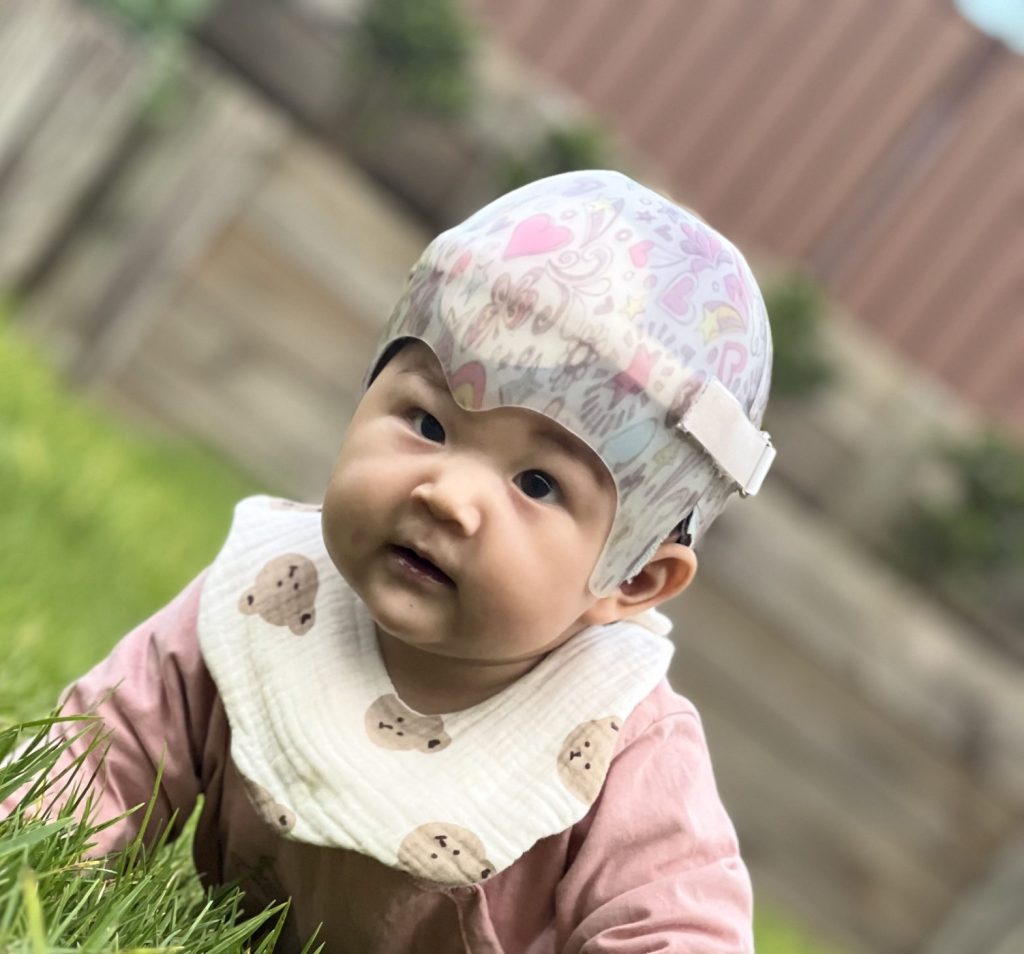
Meet Hazel – Diagnosed with Metopic Craniosynostosis (Trigonocephaly) shortly after birth, her paediatrician recognised the signs right away. At just 6 weeks old, her diagnosis was confirmed with a CT scan, and not long after, Hazel underwent frontal-orbital advancement (FOA) surgery to reshape her skull and support healthy brain growth.
Hazel’s mum Bethany says the first weeks after Hazel’s birth were filled with uncertainty and emotion. But the care and confidence of Hazel’s craniofacial team made a world of difference “One of the hardest parts was the waiting, it’s all you can think about. But babies recover faster than you expect, and within days we could see our Hazel coming back to us.”
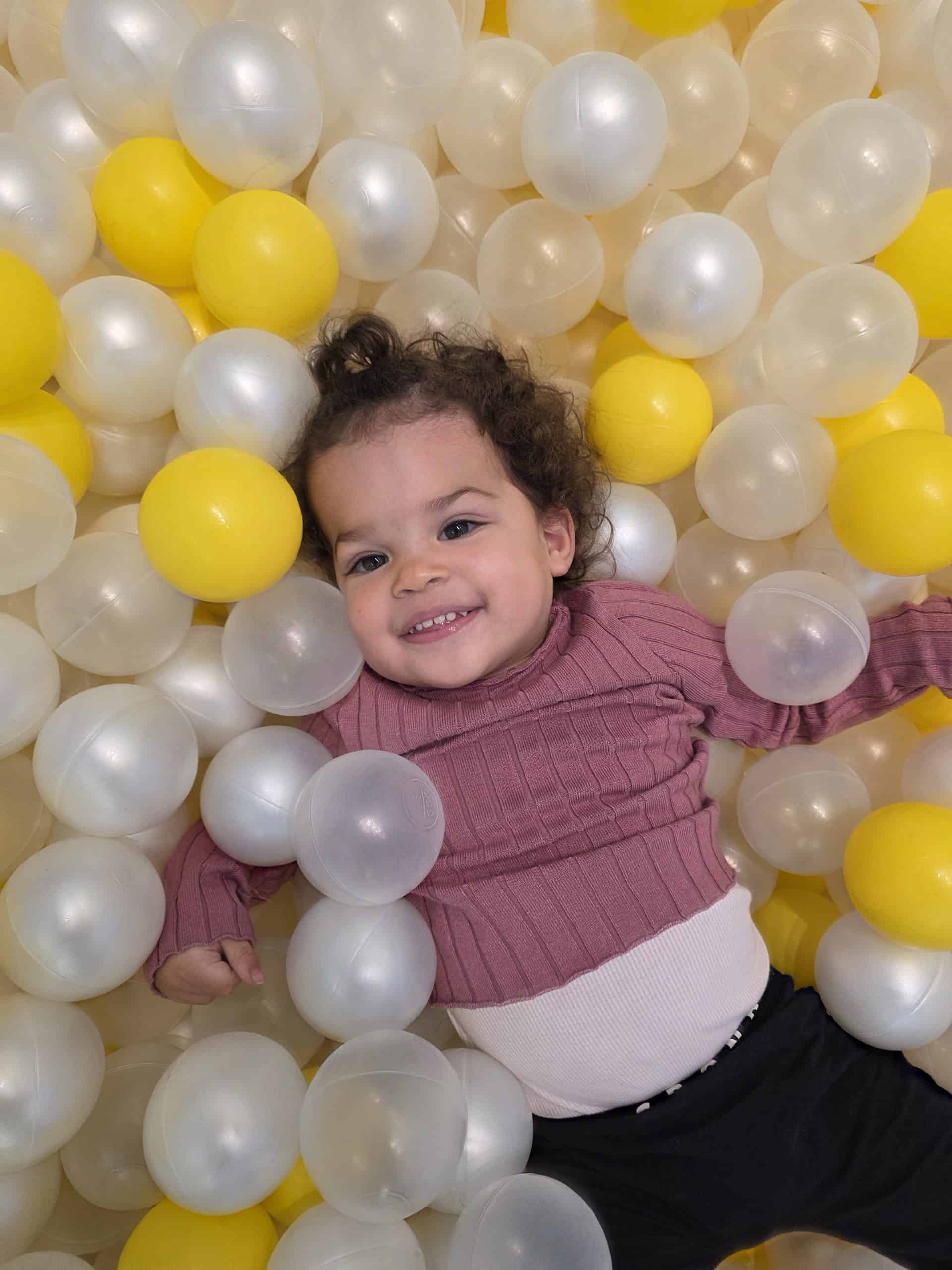
Now almost a year post-surgery, Hazel is a bright, cheeky little girl who brings joy to everyone around her. You’d never know all she’s been through unless you heard her story.
Bethany hopes more people, including medical professionals, learn about Craniosynostosis, so more babies can be diagnosed and treated early. Her advice to new parents: “These little people are incredibly strong. Find support, connect with other families, and know you’re not alone.”
Interview with Hazel’s Mum Bethany…
Age at Diagnosis?
After Hazel was born the paediatrician pretty much could see what it was straight away and referred us to the Cleft & Craniofacial unit, it was confirmed via CT scan when she was 6 weeks old.
What treatment have you or your child had for this Craniofacial difference?
My daughter, Hazel, had FOA surgery to reshape the front of her skull and allow enough room for normal brain and skull growth.
What do you remember most about the early days of treatment?
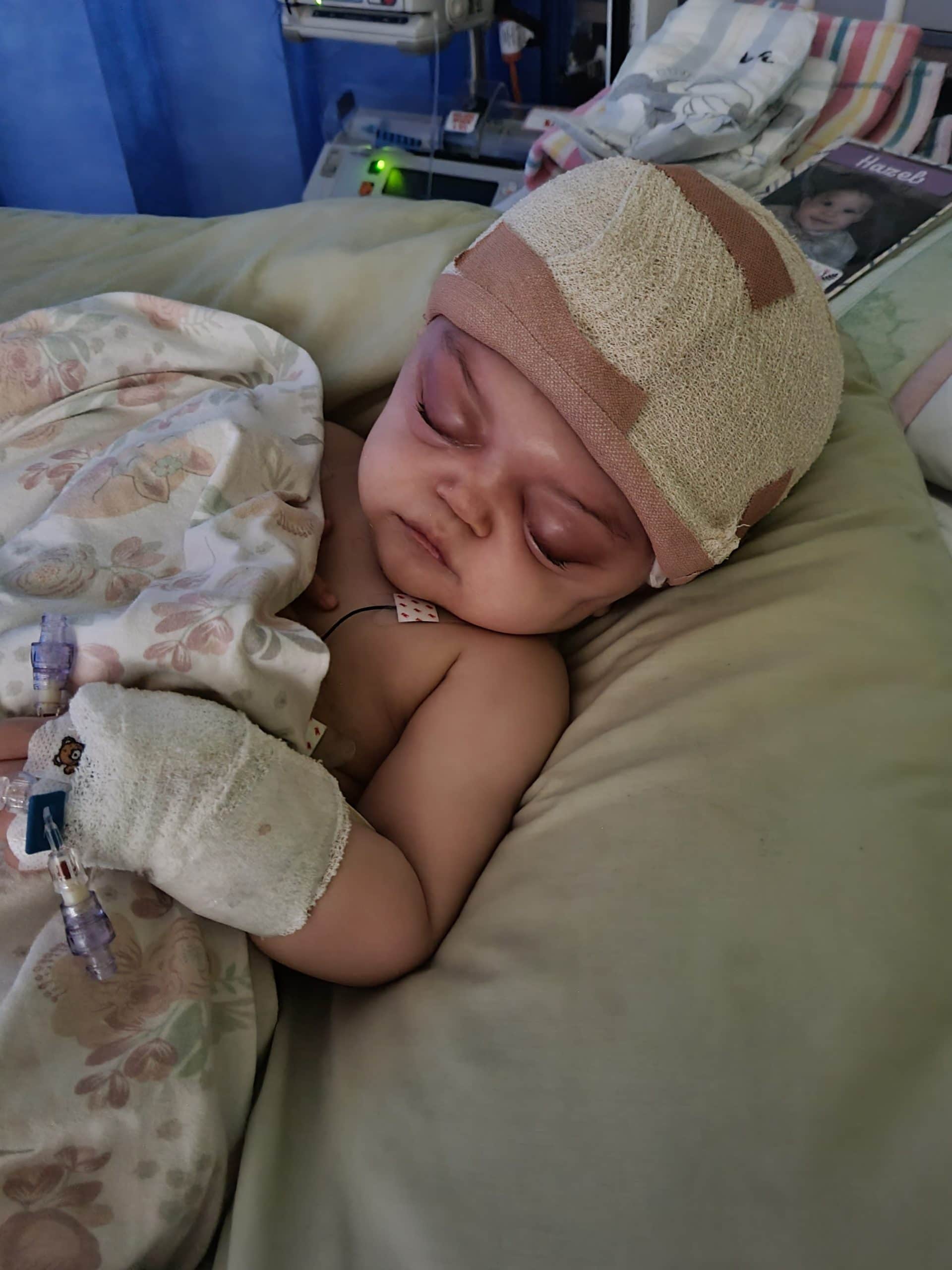
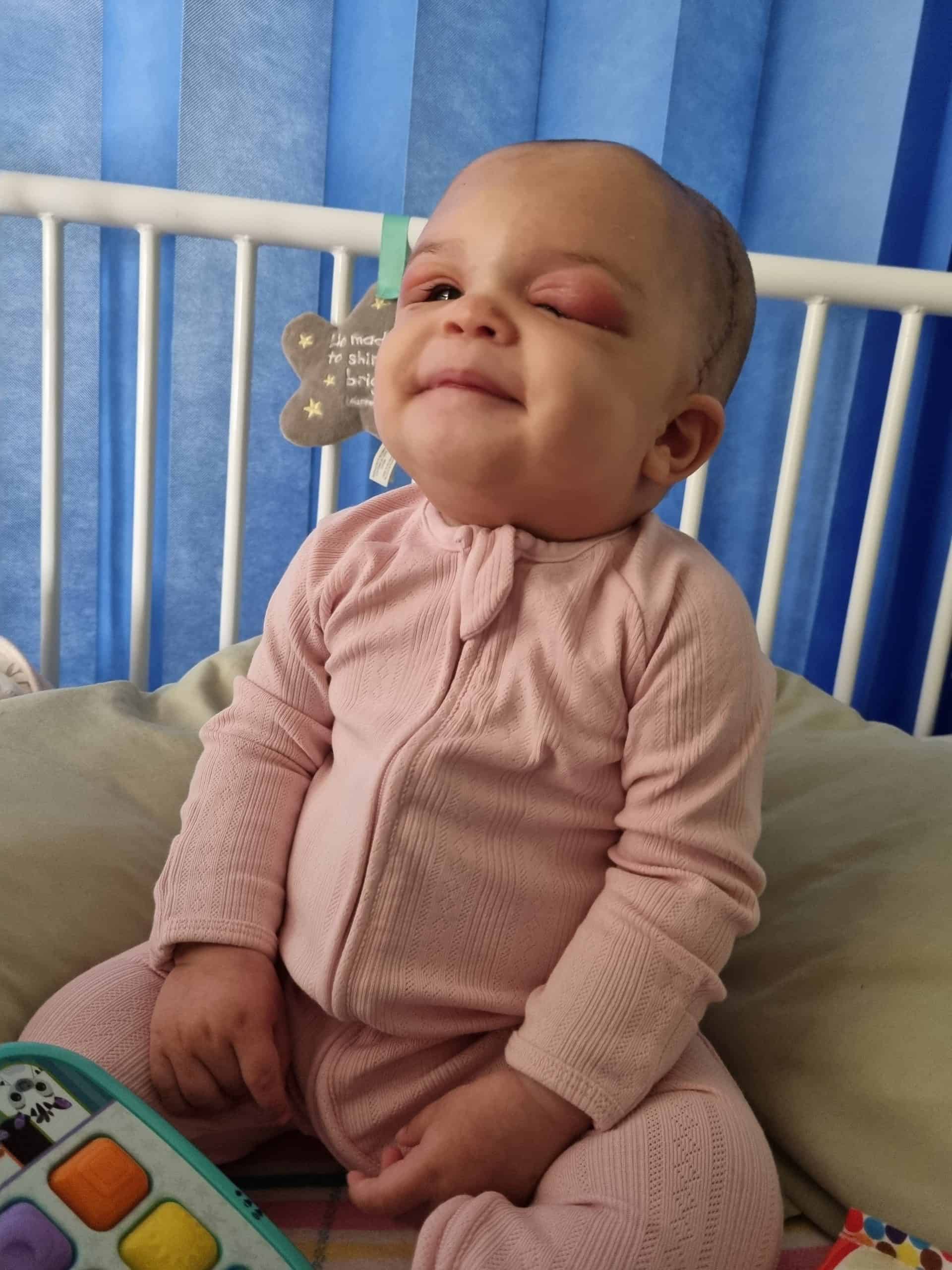
We knew Hazel’s head didn’t look right when she was born, but thought it was probably just because of the way she was pushed out in birth or something. We never imagined she would end up with her diagnosis. We had never even heard of Craniosynostosis ever before! So we were pretty shocked and obviously concerned when it was confirmed. There were a lot of unknowns at the beginning and a lot of googling! The craniofacial team looking after Hazel were very helpful in answering all our questions (and yes we had a list of them every time we came to an appointment), the confidence and success they had in the many previous surgeries they had performed for this condition helped give us some comfort in knowing she was in very good hands. Certainly one of the worst parts is the waiting period before surgery happens. It’s all you can think about every day which doesn’t help the sleep deprived mum nerves. I also felt like I was constantly over analysing any developmental delays I though my daughter might have, but babies really do develop at such different times, I wish I didn’t overthink this so much. It is definitely an emotional roller-coaster. I wont surgar coat anything, the first few days after her surgery are really hard. Seeing your child in discomfort, confused and swollen is not something I ever want to go through again. However, they do recover so much faster than I expected and within a few days the Hazel we knew was coming back to us. We look at her now and if you didn’t know Hazel’s story, you could not tell at all what she has been through. We know we made the right decision in her getting the surgery and believe she now has the best chance at a normal future.
How has this Craniofacial difference impacted your life and family?
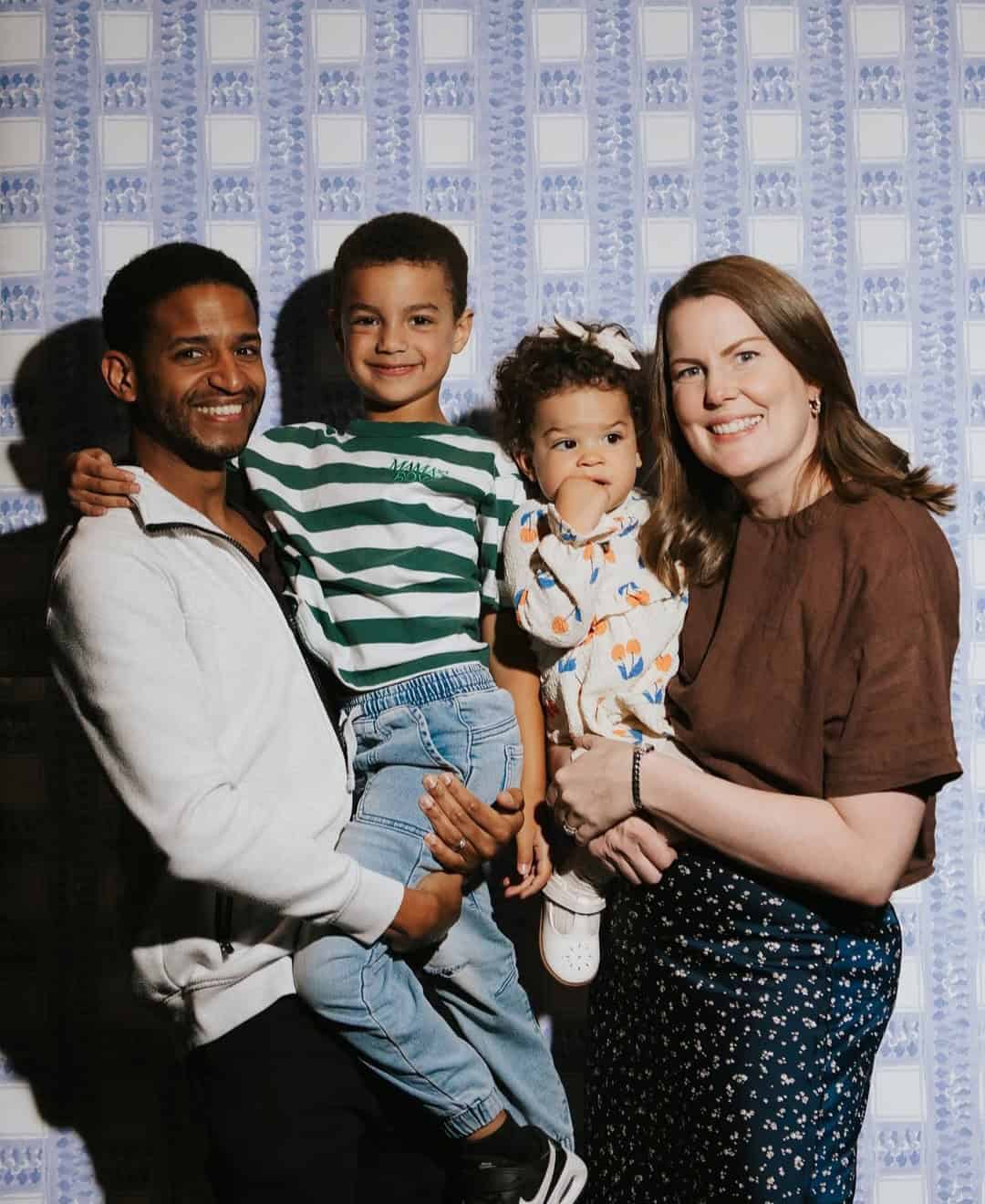
I decided to take an extra 6 months off of work (on top of taking a yr off for maternity leave) to help be there for Hazel’s recovery after surgery. We were blessed to have family support and be in a position where I was able to do this. We were also at the hospital for appointments almost weekly for the first year or so of Hazel’s life for other conditions she had been diagnosed with and was receiving care for. So it helped to not have to worry about juggling work with all the appointments. It was tricky trying to explain what was going to happen to Hazel, to her big brother, without freaking him out (he was 4 yrs old at the time of her surgery). It was understandably quite overwhelming and worrying for him to see her go through her recovery. Hazel’s diagnosis definitely turned our world upside down, however it has almost been a year since her surgery now and its hard to believe all we have been through with our little girl. She is a bright, clever and cheeky girl who brings so much joy to our lives!
Is there something you wish more people knew about this condition?
I don’t think anybody I have told about Craniosynostosis has ever heard about it before. I shouldn’t really be surprised because I had no idea about it when Hazel was diagnosed! I was surprised to learn that even many medical professionals knew very little or nothing of the condition. It would be great to spread more awareness of Craniosynostosis so that infants can be diagnosed and treated as early as possible, as this is crucial for optimal outcomes. We were just so blessed to have a paediatrician that picked up on Hazel’s Craniosynostosis basically as soon as she was born! As I know this is not the case for many.
What is one piece of advice you would give to someone receiving a similar diagnosis for their child?
Hazel’s journey has shown us how strong these little people are! If I could offer any advice it would be to make use of the amazing online community there is (like the fb groups) and Craniofacial Australia, seeing other families stories really helped me to process the whole journey, what to expect and see the other side of it. Ultimately nothing can fully prepare you for what your child goes through, but having that support from Craniofacial Australia and other families who have been through a similar experience meant the world to me.
Is there anything else you’d like to share?
We feel incredibly blessed to live in a country and state with such incredible medical teams that look after these little Cranio Worriors so carefully and professionally. Its comforting knowing that surgery is generally very successful in allowing children with this condition to develop normally. We hope and pray our little girl continues to grow and thrive. She makes everyone around her happy with her infectious smile and giggle. Nothing holds our little girl back and this condition has only made her stronger and braver!
Share This Story: