One of the things that we do at Craniofacial Australia is support people from overseas with craniofacial conditions.
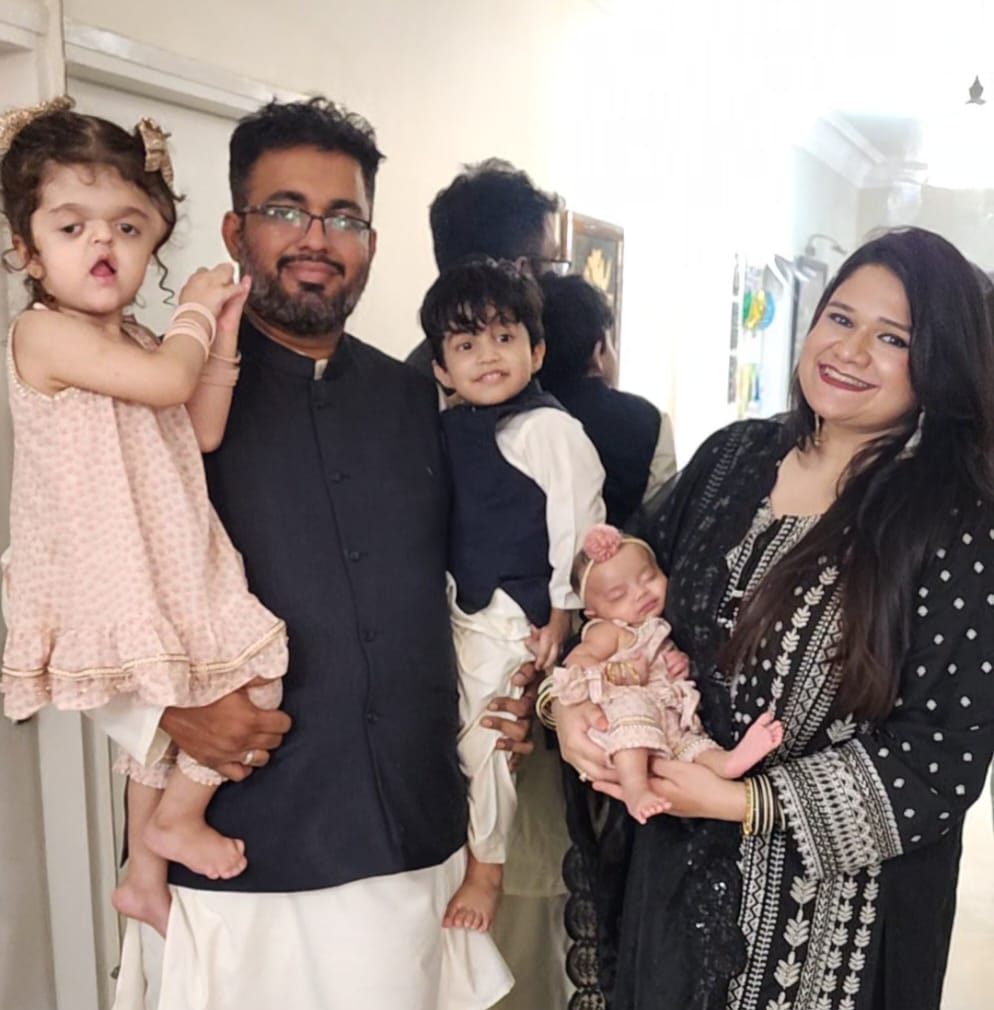
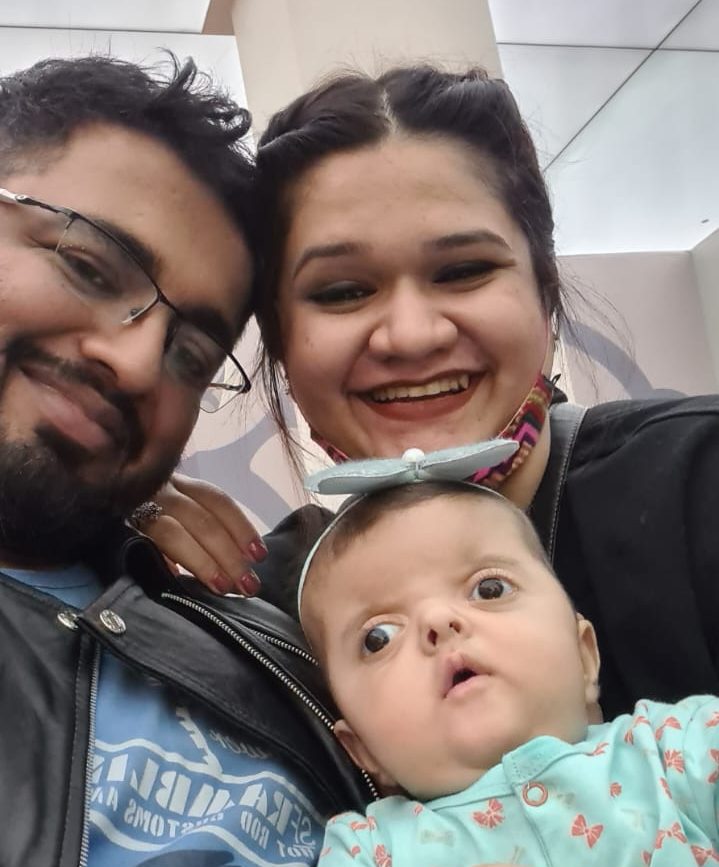
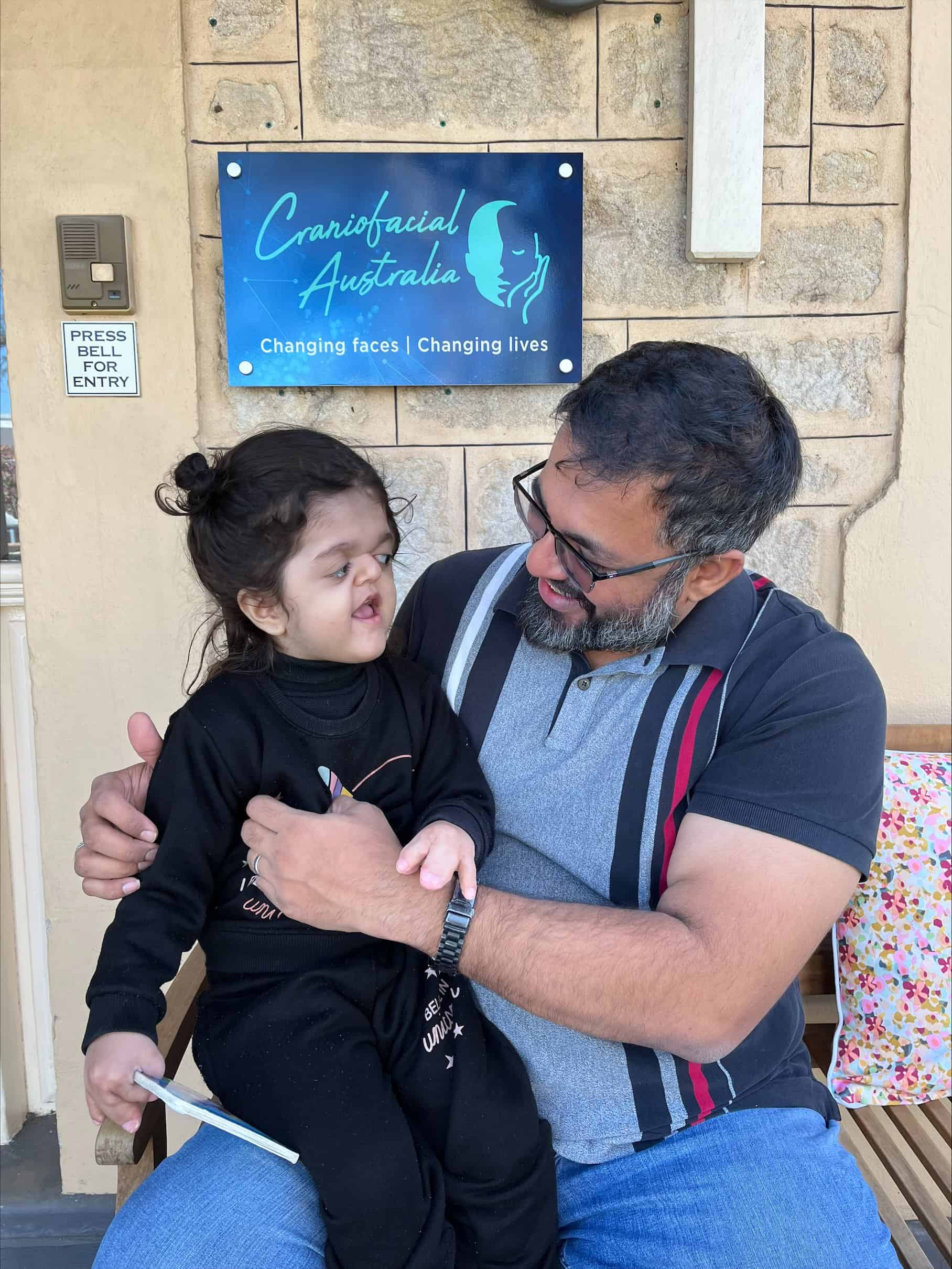
Zuhair, a dedicated father of 3, searched tirelessly to find the best support and treatment for his first-born daughter Zuhrah.
We spoke to Zuhair about how our Patient Support program has played a vital part in accessing the best possible care and treatment for his precious daughter.
Thanks to the generosity of our supporters, Craniofacial Australia funded return flights from Pakistan to Australia, transport and meals during their stay to receive treatment in Adelaide.
This is Zuhair’s story:
“We named our daughter Zuhrah, an Arabic name meaning “Venus” or “the morning star. As first-time parents, we were overjoyed, anticipating the boundless joy our little star would bring into our lives. But nothing could have prepared us for the unimaginable challenges we would face.
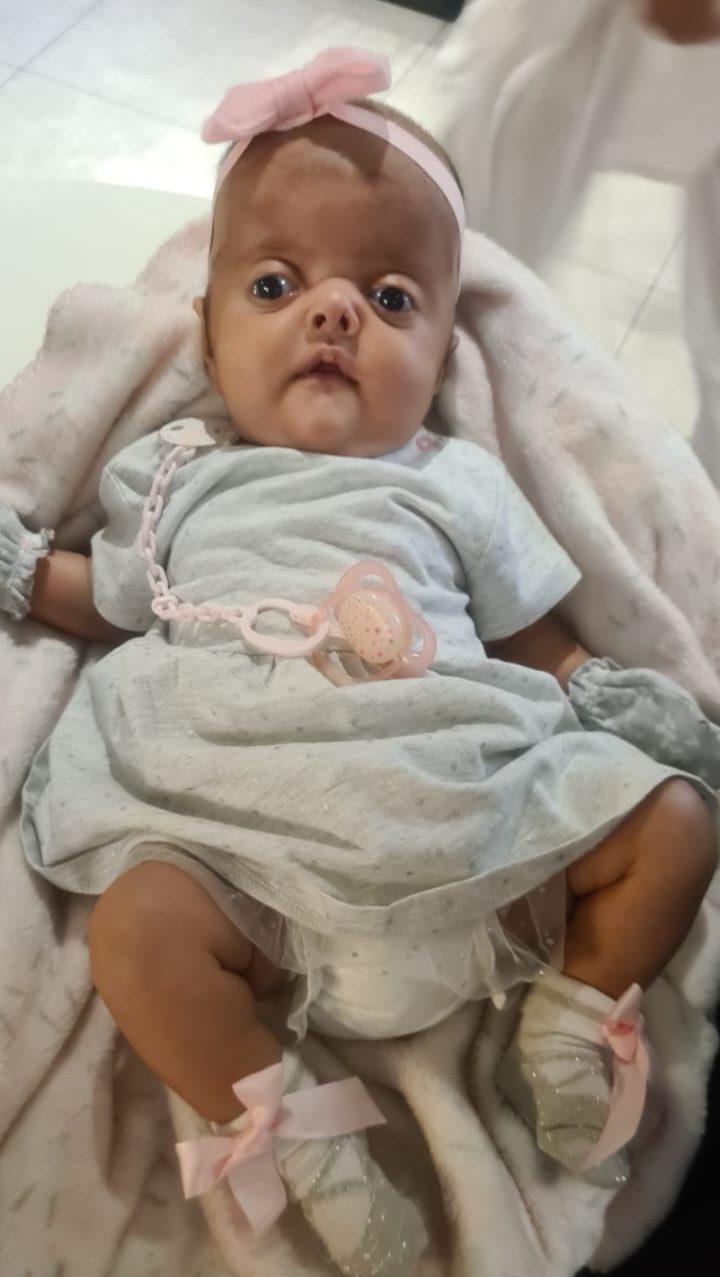
Zuhrah arrived on July 27, 2021, a day that should have been filled with pure joy. Instead, it quickly turned into a whirlwind of anxiety as we noticed she was struggling to breathe. The doctors were baffled, faced with a condition they had never encountered before.
Eventually, a geneticist provided a diagnosis: Zuhrah had Apert Syndrome.
► Apert Syndrome—a rare genetic disorder that affects the shape of the head and face, and the hands and feet.
Our journey began with a rollercoaster of emotions, a new test of hope and endurance each day.
When we finally brought her home, we were both thrilled and terrified. Monitoring her oxygen saturation became a full-time task, with every beep of the monitor sending a jolt of fear through our hearts. Her nasal stents required constant care, chest physiotherapy, and regular suctioning—each act filled with dread.
Despite her fragility, our little fighter showed incredible strength.
Her nasal stents were finally removed. Every small improvement was a victory, and every smile a source of courage and resilience.
Desperate to understand her condition, we searched endlessly for information, reaching out to specialists far and wide. Many countries had closed their doors to international patients.
When she was over a year old, Zuhrah underwent her Frontal Orbital Advancement (FOA) in Pakistan. The nurses, trained only to care for adults, struggled to meet her needs. It was a nightmare watching our tiny girl suffer in an environment ill-equipped for her care. Finally, we transferred her to a hospital with a better PICU. Our hearts shattered as we watched our little warrior fight for her life.
After the FOA, we noticed swelling at Zuhrah’s left temple. Dismissed by her neurosurgeon, we sought a second opinion. To our horror, we discovered she had an encephalocele—a part of her brain was protruding through her skull. It felt as though our world had crumbled. We were devastated.
We continued to seek care and treatment for Zuhrah. Our prayers were finally answered. We finally made our way to Adelaide for treatment.
Our visit to the Women and Children’s Hospital (WCH) was a revelation. Their care and compassion gave us something we hadn’t felt in a long time: hope. They not only cared for Zuhrah’s physical well-being but also acknowledged her as a whole person, with needs beyond her medical condition.
Our hearts are filled with gratitude for everyone who has supported us on this journey—from the dedicated medical team to the compassionate souls at Craniofacial Australia. They have given our daughter a fighting chance and, with it, the promise of a brighter future. As parents, we wish for nothing more.
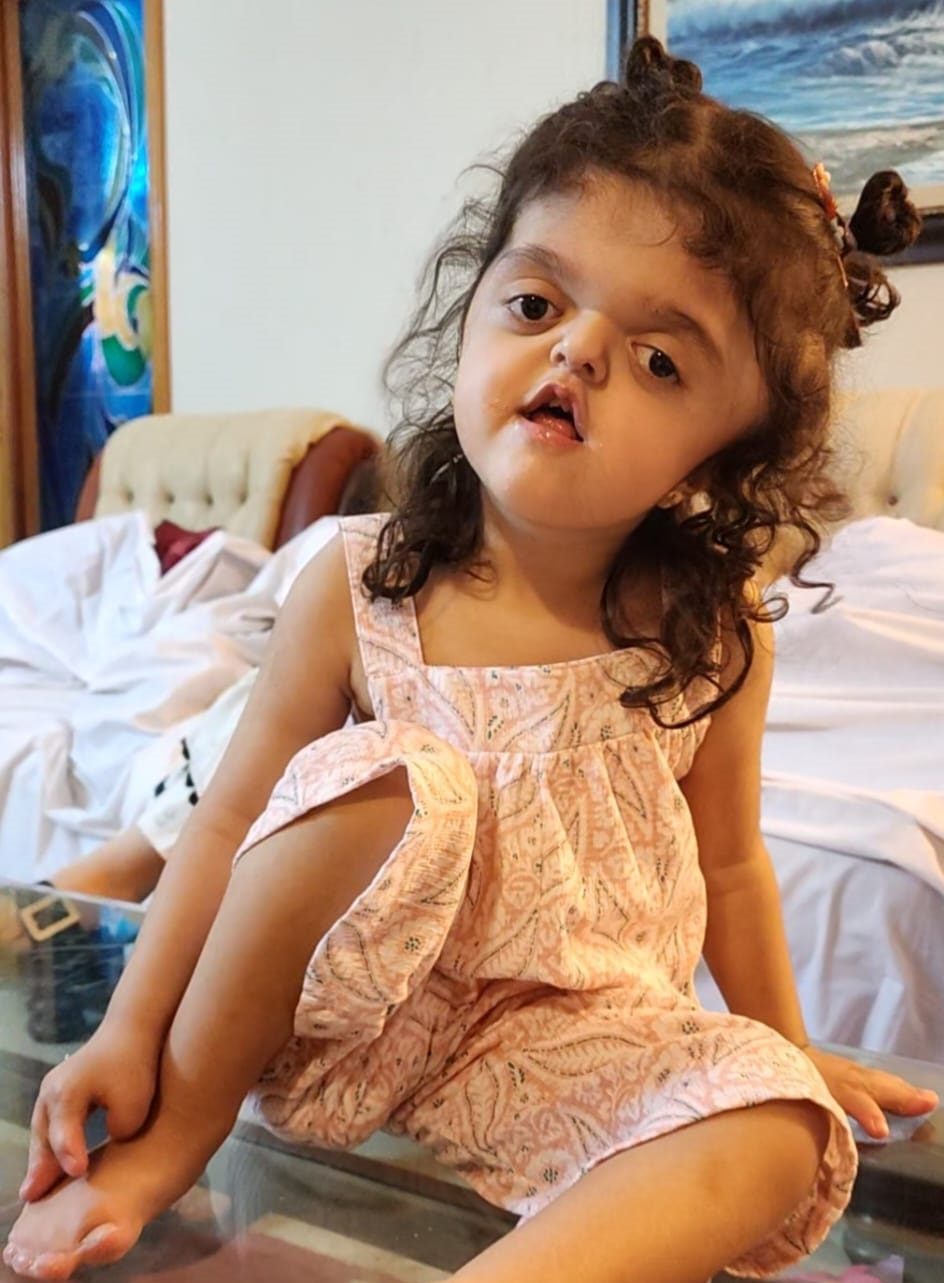
Our beautiful morning star, Zuhrah, continues to shine brightly. A beacon of hope and resilience”.
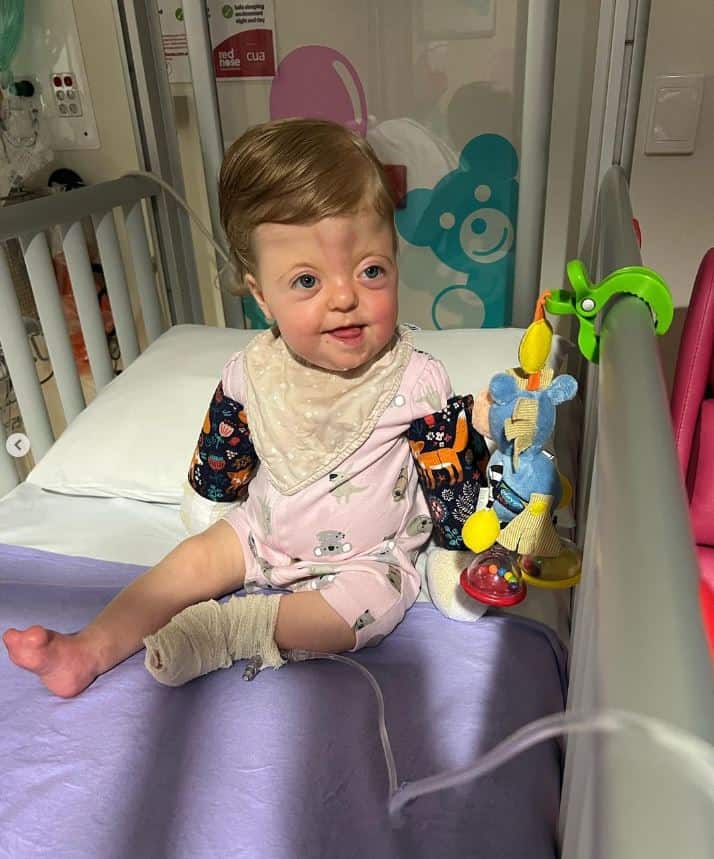
We are incredibly blessed to have our own beautiful Cranio-Warrior, Daisy. Daisy is 2.5 years old and was born with a rare genetic syndrome; Apert Syndrome. Apert’s is caused by a mutation of the FGFR2 gene and because neither my husband or I have Apert’s, it’s a random mutation. The chances of having a rare gem like Daisy is 1 in 65000.
As a young child, Elliot made it very clear what he was going to do in life, which was everything everyone else does “except better”. Despite living with Apert Syndrome, Elliott is experiencing all that life has to offer.
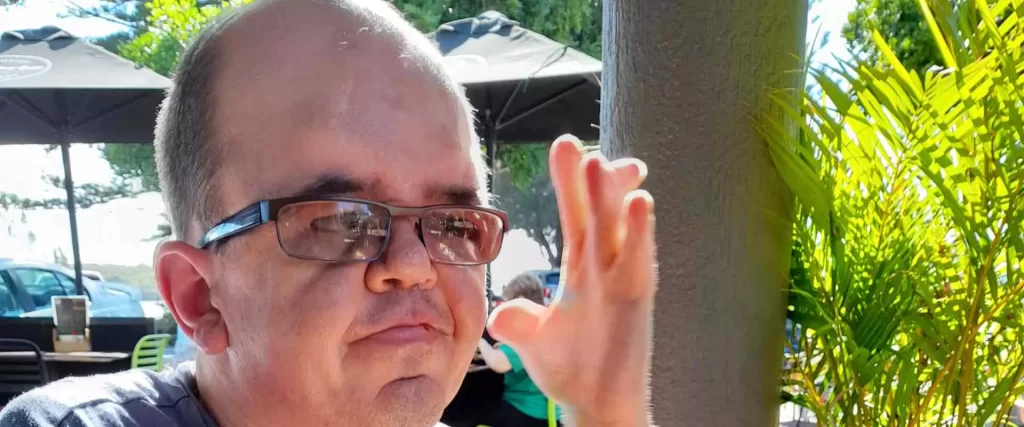
We have the pleasure of introducing you to Jason Hooper, otherwise known as JD Hooper. The “D” in JD stands for “Determination” – a fitting description of this champion in every sense of the word.