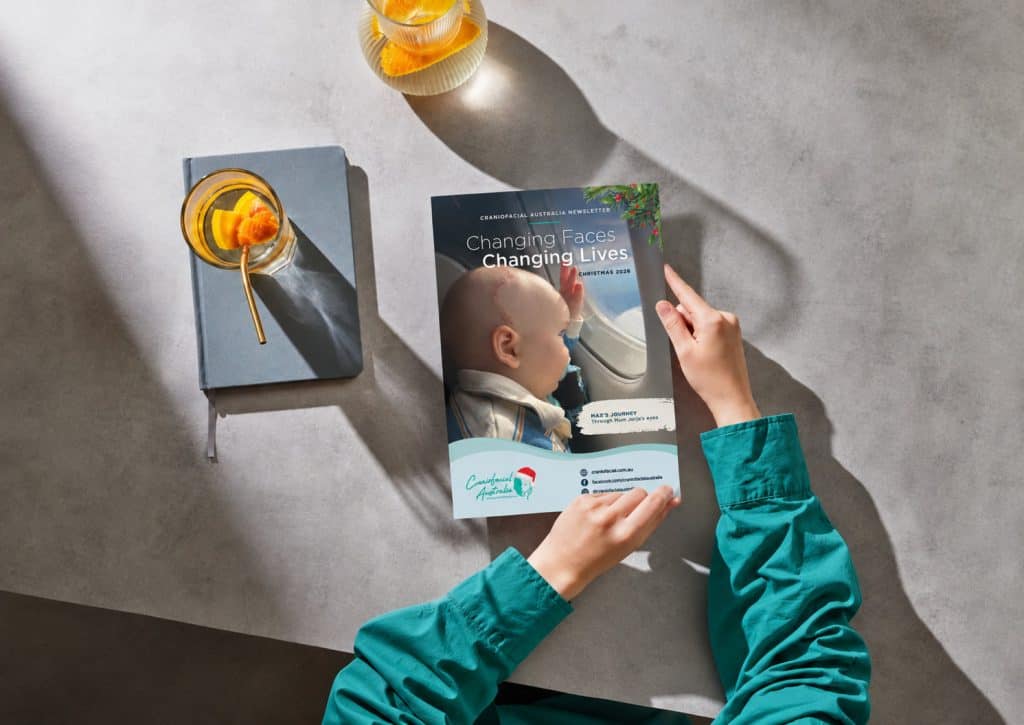
Christmas 2026 Newsletter
Changing Faces, Changing Lives Download PDF
Christmas 2026 Newsletter Read More »


Changing Faces, Changing Lives Download PDF
Christmas 2026 Newsletter Read More »
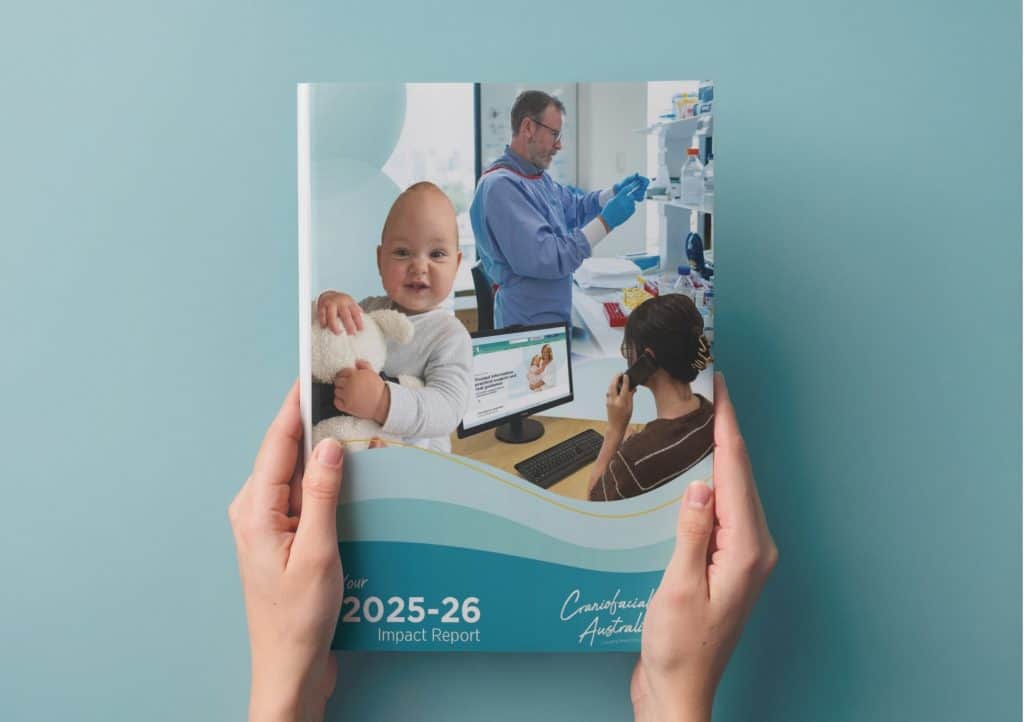
Changing Faces, Changing Lives Download PDF
2025-26 Annual Impact Report Read More »
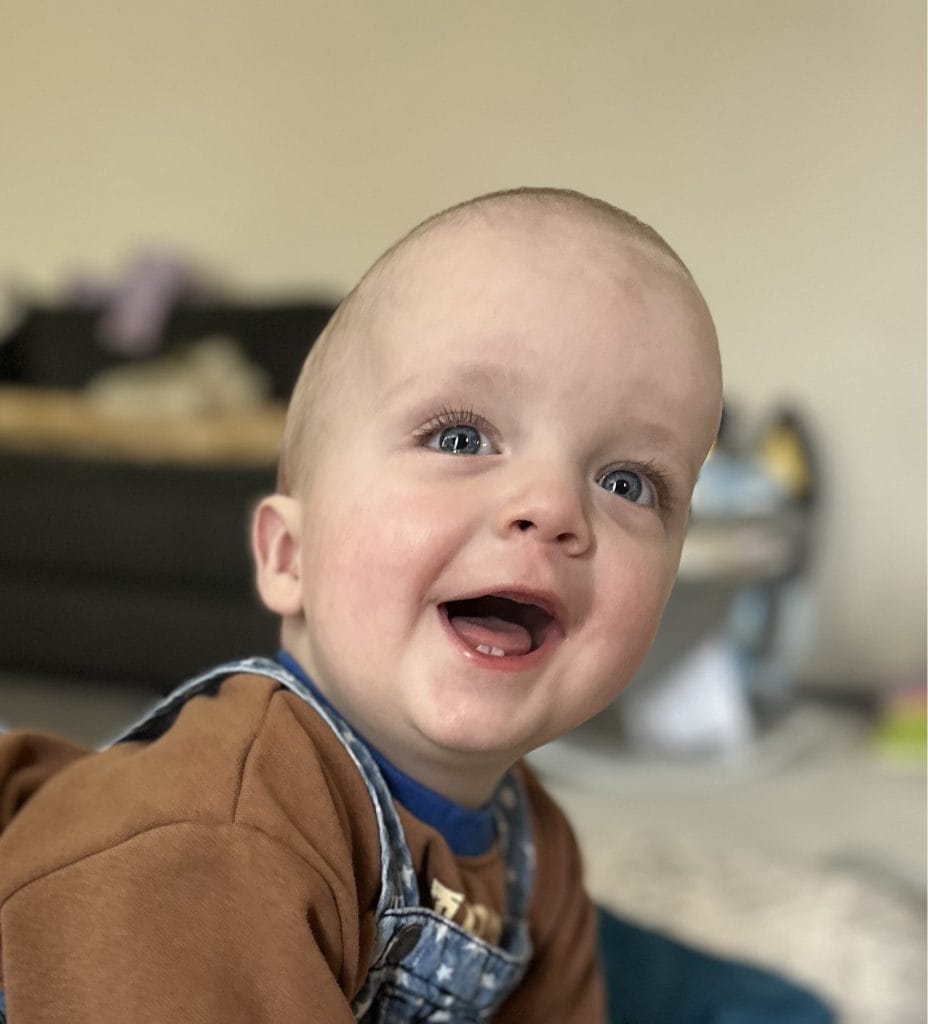
Our journey with Craniosynostosis began when James was just two weeks old.
We noticed what looked like a lump on the right side of his forehead, flattening on the left side of his head, and one eye that seemed to open wider than the other.
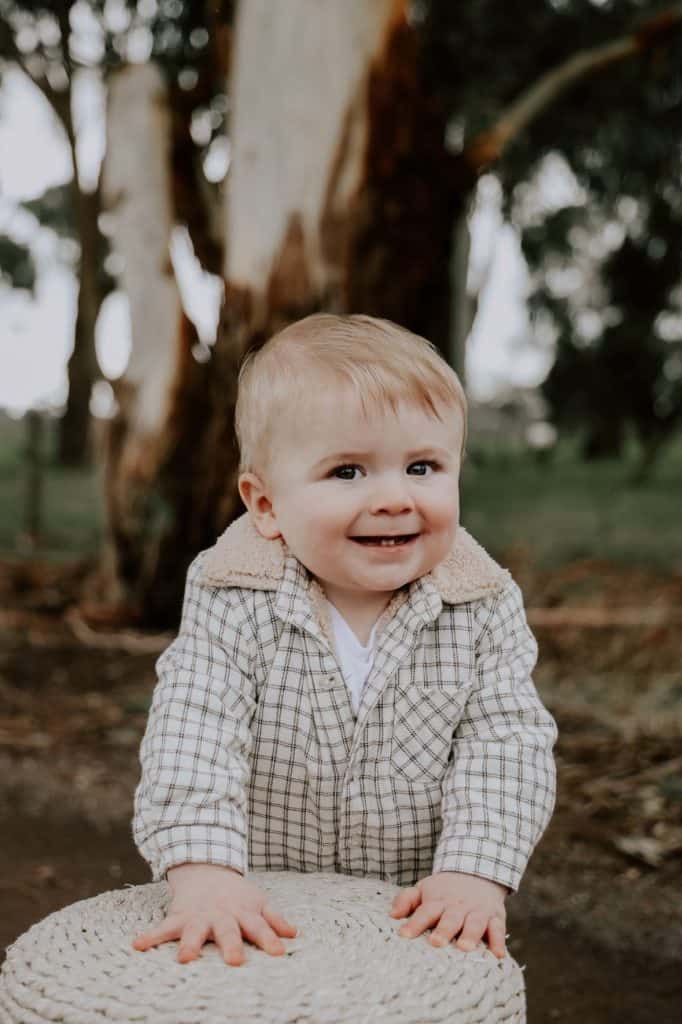
Our journey with Craniosynostosis began when James was just two weeks old.
We noticed what looked like a lump on the right side of his forehead, flattening on the left side of his head, and one eye that seemed to open wider than the other.
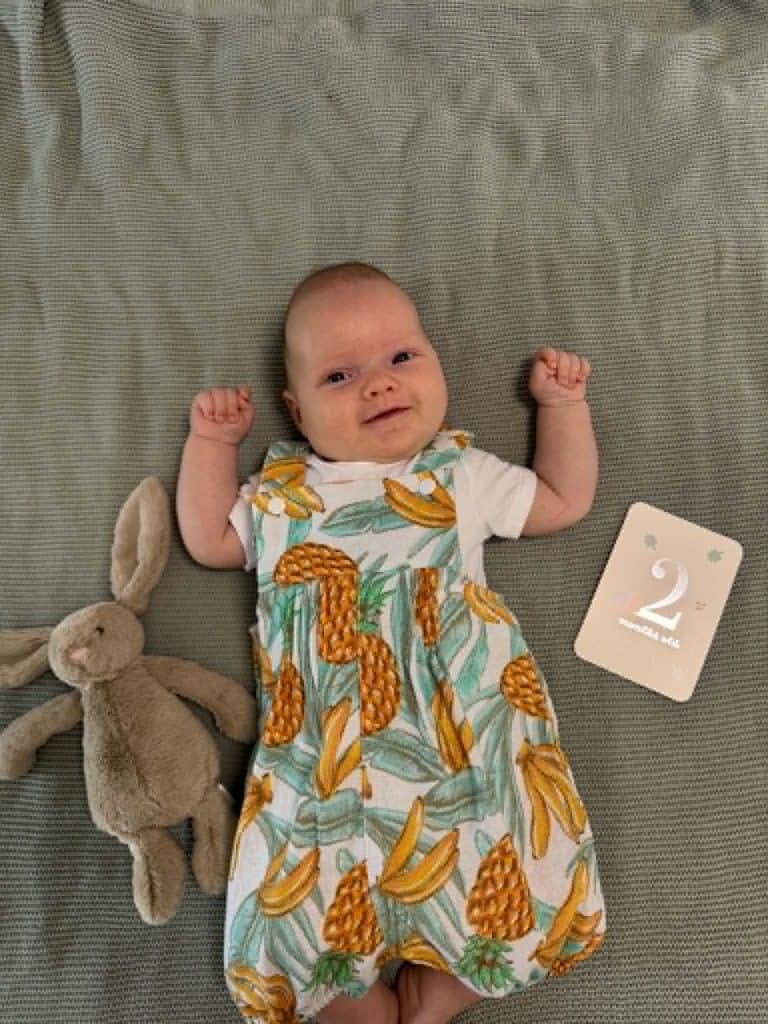
When Billy was born, the midwife made a comment about Billy having quite a large head. At the time we thought nothing of it. Following his birth we had all the checks – the paediatrician, GP appointment, midwife check and everyone said the same thing ‘just keep an eye on his head shape’, as it was quite long.
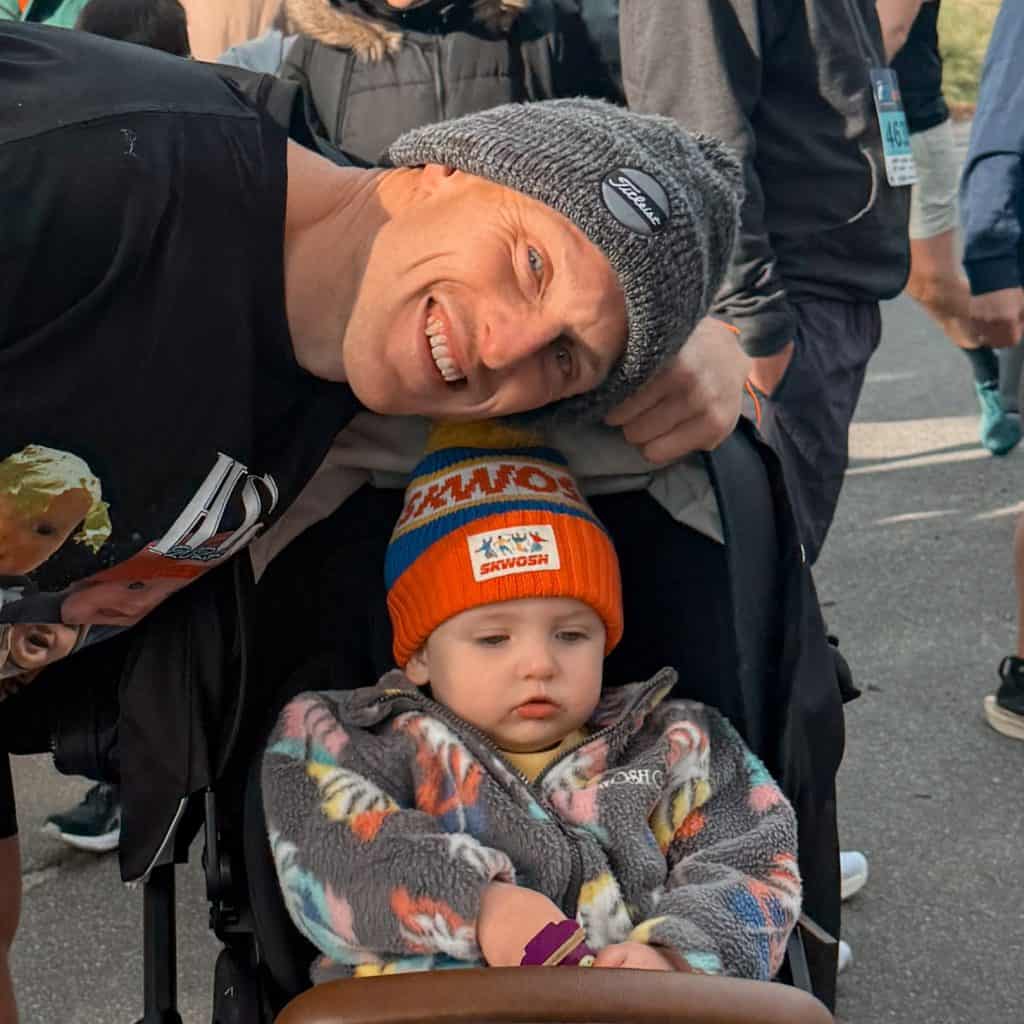
Our son, Harvey, was diagnosed with sagittal craniosynostosis and underwent cranial vault remodelling surgery at just 13 months of age. Throughout his journey, he has shown remarkable resilience and an unwavering enthusiasm for life.
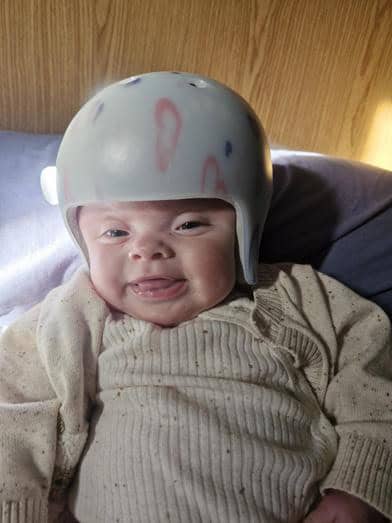
When we found out we were expecting our daughter, Sylvie, we knew there was a 50% chance she could inherit Muenke syndrome. While we hoped our daughter wouldn’t have to face the same challenges, we knew it was a possibility. At our 20-week morphology scan, our concerns became more real.
Changing Faces, Changing Lives Contents Otherwise known as? Saethre-Chotzen syndrome is also known by the following names: Craniofacial Dysostosis – This term refers to the condition’s primary feature, which involves differences in skull and facial bone development. Craniosynostosis Syndrome, Type 3 – A term highlighting the fusion of cranial sutures (craniosynostosis) seen in the condition.
Saethre-Chotzen Syndrome Read More »
Changing Faces, Changing Lives Contents Otherwise known as? Nager syndrome, also known as Nager acrofacial dysostosis, has a few alternative names, including: Nager Acrofacial Dysostosis (NAFD) – The most common alternative name, emphasizing its classification as an acrofacial dysostosis syndrome (a condition affecting the face and limbs). Acrofacial Dysostosis, Nager Type – Highlights that it
Changing Faces, Changing Lives Contents Otherwise known as? Muenke syndrome is sometimes also referred to as FGFR3-related craniosynostosis, reflecting the specific change in the FGFR3 gene and the craniosynostosis commonly associated with the condition. However, Muenke syndrome is the preferred and most widely used name because craniosynostosis is only one of the possible features of